


game studio spotlight

He Almost Became an Architect. Instead, He Built a Studio - An Interview With Clever Endeavour’s Richard Altas
Question #1: Tell us a bit about yourself and your studio/company/work.

Hi! I'm Rich(ard), CEO and Creative Director at Clever Endeavor Games. I handle a whole bunch of things at the studio, from creative direction and design, to making sure that the ship is being steered in the right direction. So that means anything from people management, production, finance, accounting, legal, managing external partners, and supporting marketing.
"###CAPSULE 386940"
I started out studying music, and at some point wanted to pursue a career in sound and music and games, or in film. I eventually switched into sciences, with an eye towards studying architecture.

But I didn't have a portfolio ready, and was talked out of doing architecture by my friend's dad, who ran an architecture firm.

So I decided to go into mechanical engineering, because it had some creativity, it had some technical aspects, and it touched on a lot of potential fields... but that only lasted a year before I started this studio with two other founders.
Outside of games, I like a billion things, but to name a few: health science (I recently wrote up a somewhat massive research project about this which took absolutely way too much time), cycling, tea, heavy metal, game and film soundtracks (obviously), taking care of my excellent cats (only 2, don't worry), and chocolate. I mean I guess everyone likes chocolate.
"It doesn't matter if the game is a hardcore first-person shooter or a silly goofy party game—the experience you're creating can have a meaningful impact on people’s lives."
As far as Clever Endeavour is concerned, the company's mission statement is: we bring people together through creative play.

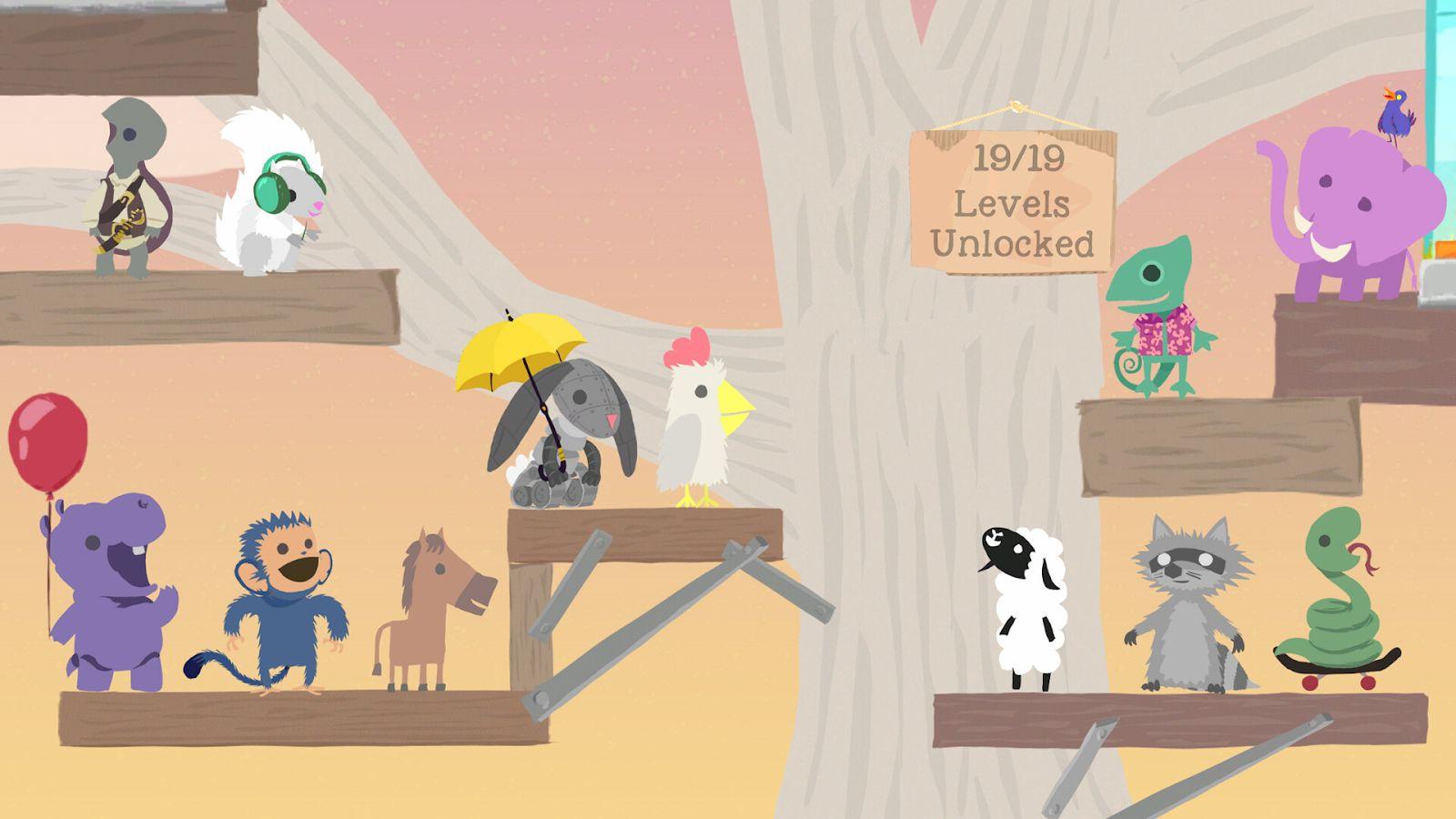

And as much as it's cheesy to quote a mission statement here, I think it is quite important because it's really central to what we're trying to do with games, bring people together, and it differentiates us from other games in giving that requirement of creative play.
Question #2: So, why are you in games, anyway? Why not plumbing, since that industry doesn't implode every 8 years
At its core, design is about creating the interface between a person and an object, program, or experience. What really excites me is the ability to play with the design to elicit different responses, and create a space in which a person can interact with the world in a way that's different and exciting.
This is why I was interested in architecture (even though I didn't end up studying it)—in architecture, that's designing an office or building or house in order to enhance the person's experience within that space in ways they can't even recognize.
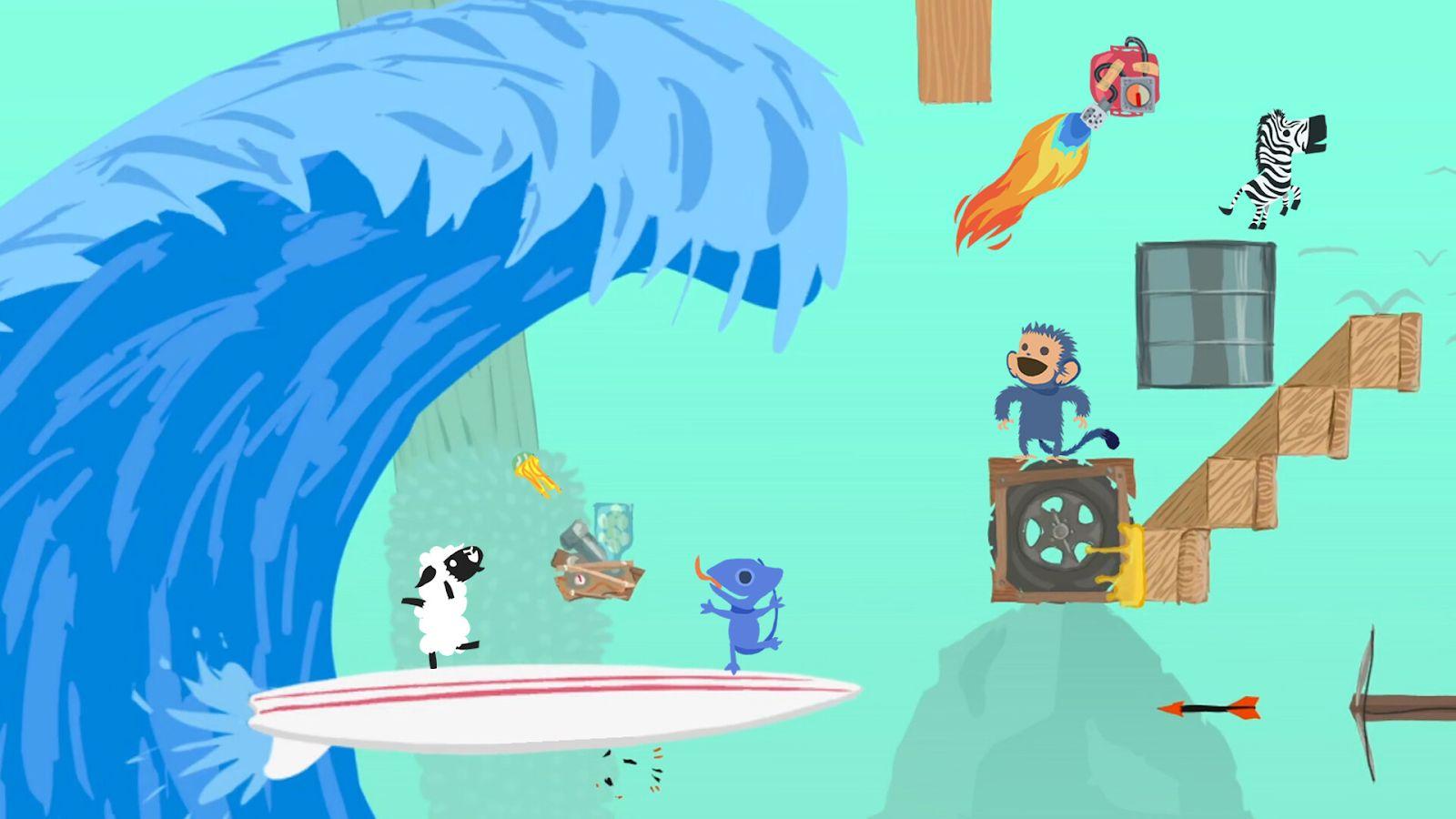

In games, it's a similar creation of a user experience, and when done craftily the players don't even recognize it's happening—all this without the constraints of real-world physics or material budgets (like plumbing for example).
Other than that, it's a beautiful mixture of tech and art in a way that can be expressive and creative. And honestly of all the arts, game development still has some of the highest potential to actually be sustainable (compared to painting, writing, poetry, music, film, etc.).
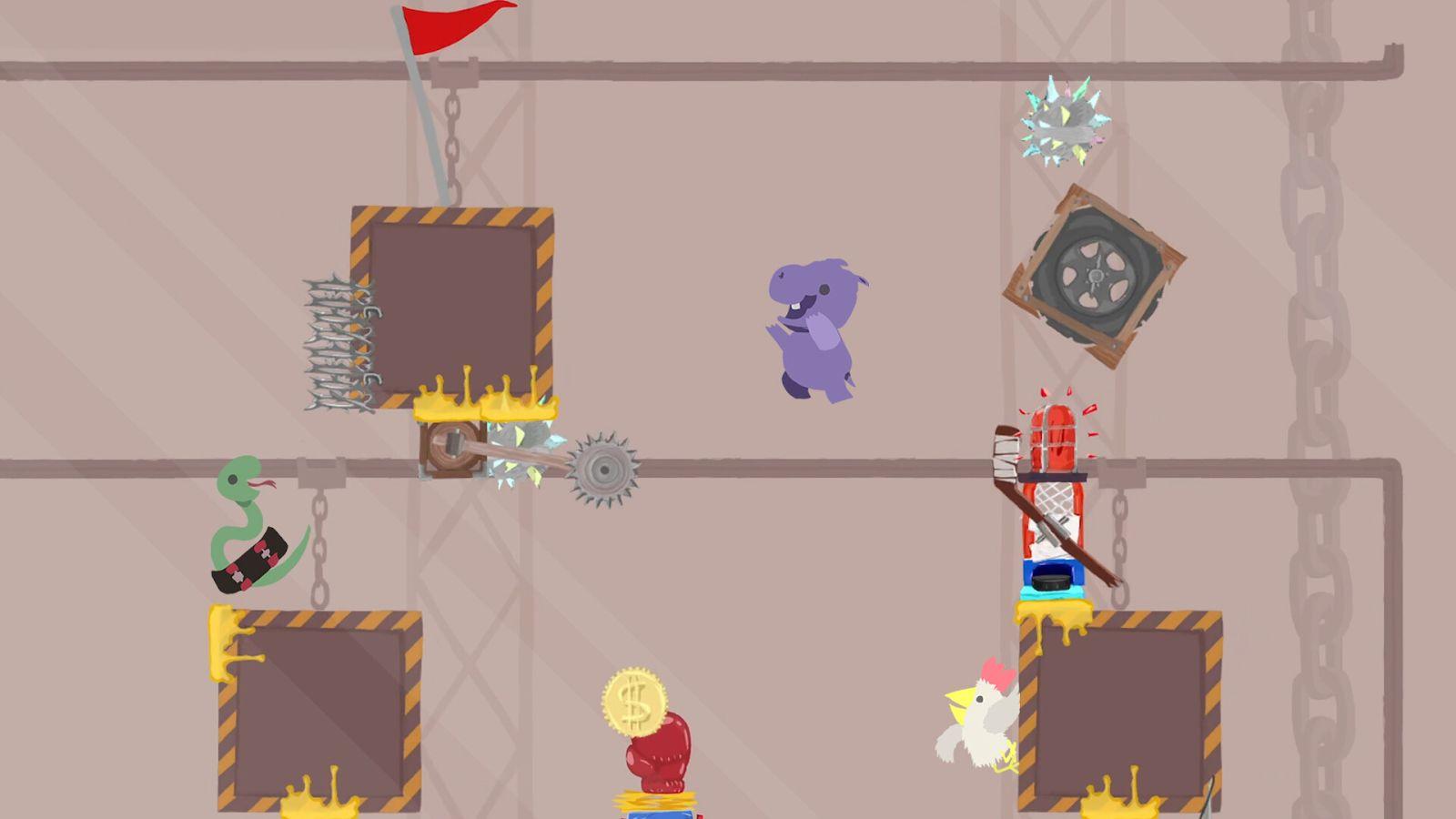

Not that I suggest people get into game dev for the money, but people are still paying for games, at least in 2025. And the people in the industry, in general, are really lovely. Our industry is full of kind, caring, sometimes awkward people who share willingly with each other in ways that other industries just simply don't.

Also the risk of installing something badly in plumbing is flooding your house—you can't flood your house if you mess up while making a game! Maybe your virtual house...
Question #3: Ichiro tells us that you present in person as very professional, yet your games are about floppy farm animals. What's up with that?
Life is about balance! But no, I think the real reason is that I take the work seriously, even if it's literally fun and games.
"We've heard some amazing stories from fans about how the game has changed their lives by bringing them closer to people they struggled to become close with"
In creating a multiplayer game, the work is about crafting an experience that can bring people closer, create memories between them, and encourage people who don't even know each other to enjoy each others' company, all while limiting the potential for toxicity in the community by making smart and careful choices.

It doesn't matter if the game is a hardcore first-person shooter or a silly goofy party game, the experience you're creating for the player can have a meaningful impact on their lives.

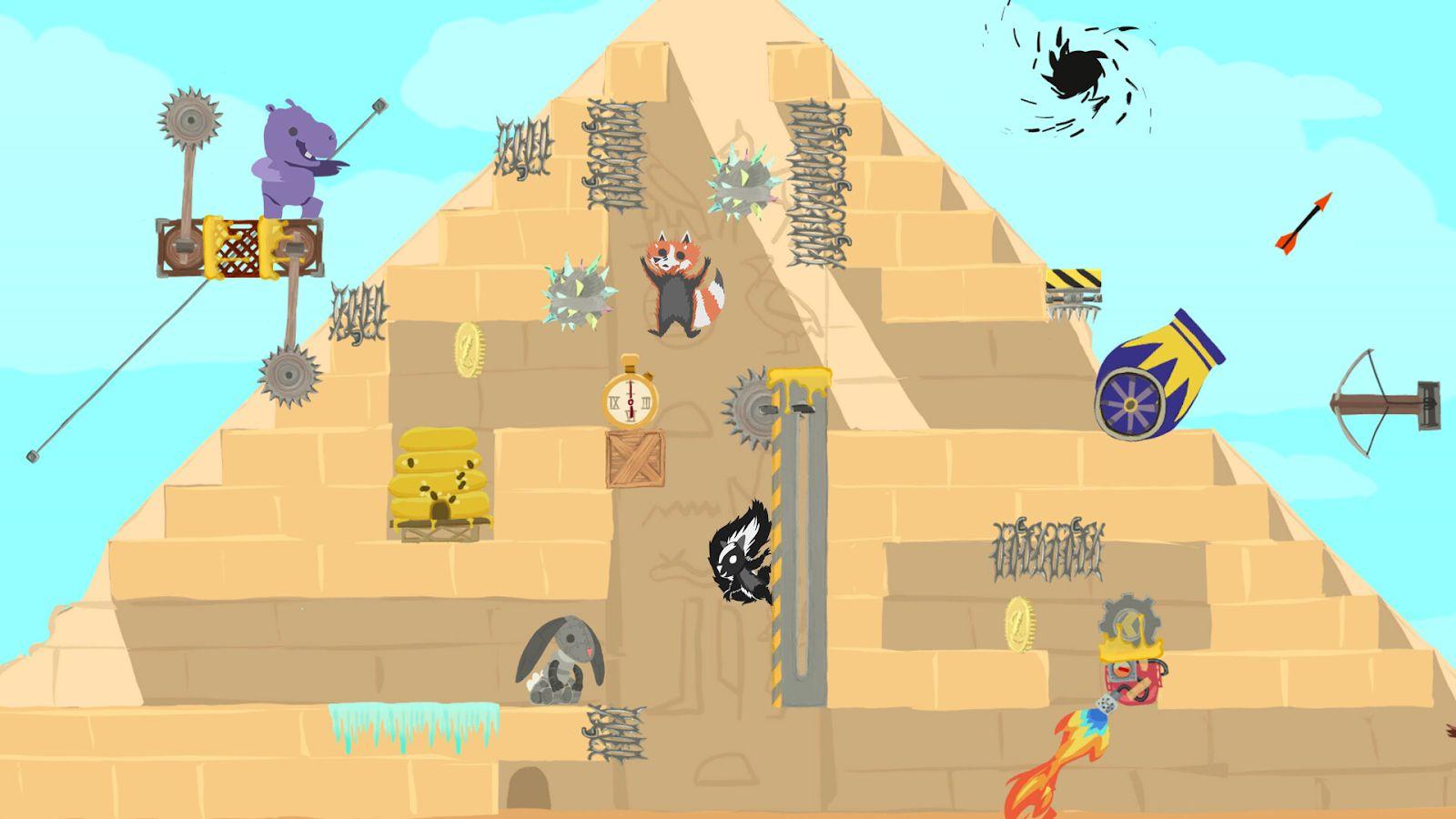
We've heard some amazing stories from fans about how the game has changed their lives by bringing them closer to people they struggled to become close with (tutors, new friends, etc.) and that's very real!
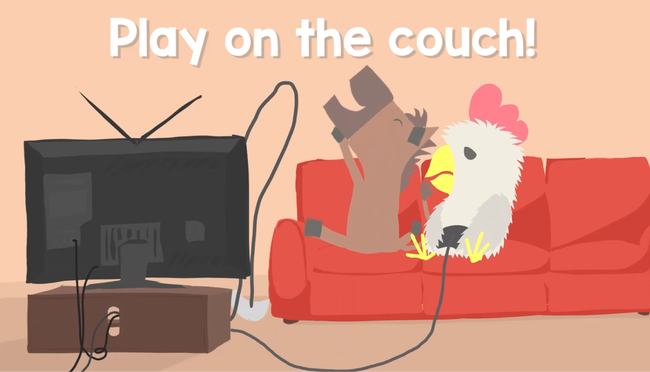

All that said, I also might be more professional around Ichiro because I'm always asking his advice and don't want to appear like a complete goofball.
Question #4: Favorite non-game inspiration that you think people should experience (book, movie, song, visit to the Maldives in early July)? Set the scene about why this is important to you.

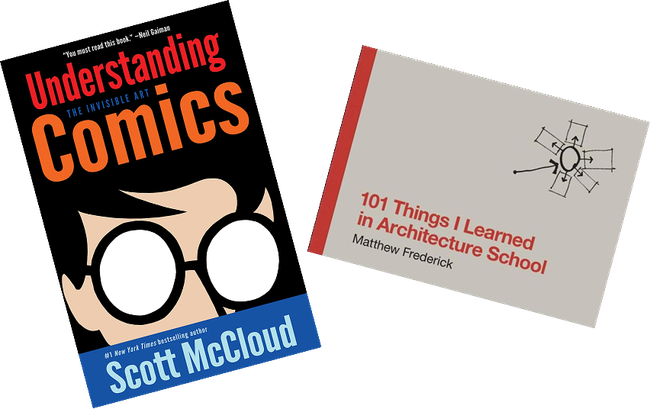
The book Understanding Comics by Scott McCloud is a must-read in my mind for anyone doing any sort of creative work. To me it's a user experience design book, whether it's about comics or not.
It's also just so much fun to read through. Similarly, 101 Things I Learned in Architecture School by Matthew Frederick is excellent. I find in general, learning things that are adjacent to the games industry like these can teach us a lot about our own craft.

Otherwise honestly I think that the most inspiration I get is from meeting people in the industry and hearing about what they're working on, talking shop, etc. Events are great for this, even smaller local events where you can meet people you wouldn't otherwise have met, and learn about their projects.

So many creative people in this industry doing so many cool things, it's really inspiring!
Question #5: Can you share with us an interesting story from your game dev career?
Question #6:
Hmmm well this one's a funny story but also sort of a lesson in "hustling" early on in the history of Clever Endeavour, hope you don't mind me slipping a learning in there.
It was our first time at GDC and I wanted to meet people from Microsoft, Sony and Nintendo to pitch our game and see if we could get it on their platforms.

"Some things happened by sheer luck… and some by pushing my luck."
I had no contact with Sony prior, and all I knew going to GDC was that there was a Sony party (that I of course was not invited to). I tried asking around for an invite but nobody I knew could get one for me, and the people invited were really not allowed to bring +1s.

I showed up to the venue anyway, just to see if by some chance I could find a way.
Previous to this, I had looked up the person on LinkedIn who I knew I needed to meet, the person who was taking meetings for indie devs in North America to pitch their game. But of course without getting inside I couldn't speak to him.

Standing around outside, I ended up bumping into a friend on his way out. I asked him how I could get in, and he suggested that maybe I could be him? Since he's not there anymore, I could just replace him.
So he gave me a business card and I went on the hopes that nobody would realize that the very Korean name on the business card was not mine (I'm Canadian caucasian). I gave the name, and the person at the front gave me a strange look but I guess they knew that that person was not presently in the building?
Anyway I got in! I went to the bar and found the person I had looked up, ordered a drink, and started talking to him about games, life, sports, his kids, etc. The next day we had a meeting and I pitched him the game, and we got on PS4 some months later.

I stayed in touch with this contact for a few years after this event, and I think about just how many things needed to line up in order to make this happen... some by sheer luck and some by pushing my luck.
END OF LINE▒
Keep reading for more awesome games!
Copyright ©2025 by Totally Human Media